 Football
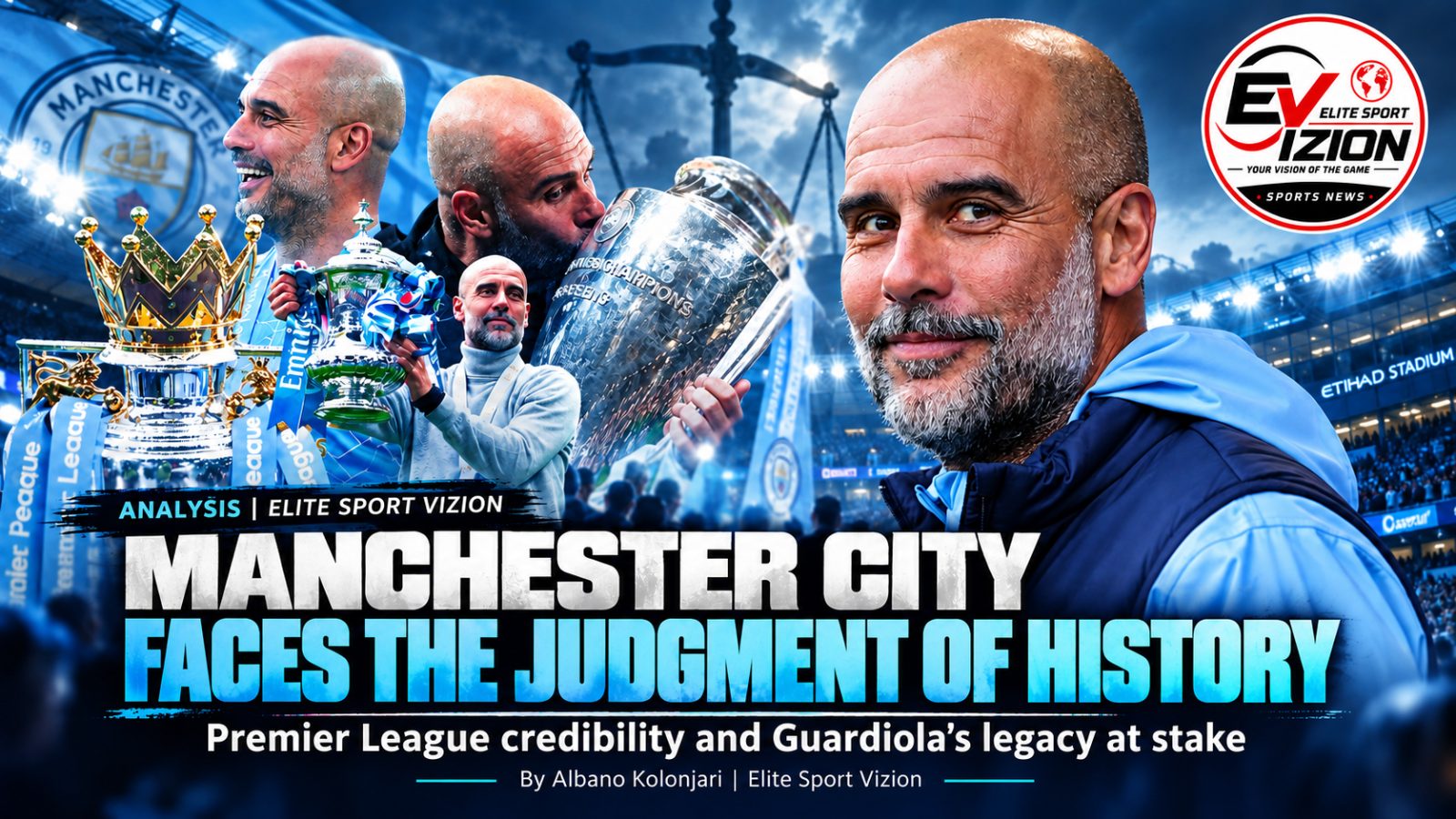
Manchester City faces the judgment of history: Premier League credibility and Guardiola’s legacy at stake
The Manchester City case has grown beyond a dispute between a club and football’s governing authorities. It concerns trust in competition, the value of trophies and the Premier League’s ability to enforce the rules its own clubs have approved. Pep Guardiola also faces questions that success on the pitch alone cannot settle.
The Premier League has built a product sold worldwide for its intensity, entertainment and competitiveness. But every league, however wealthy and attractive, rests on a fundamental agreement with the public: teams may have different resources, but they must compete within the same rules. That agreement has been shaken by the Manchester City case. The development that changes the debate The original material discussed the case largely in terms of allegations. On September 29, 2026, however, the Premier League announced that an independent commission had found Manchester City guilty of all charges concerning serious financial breaches over nine seasons, along with most charges relating to its failure to cooperate with the investigation. According to the official summary, the commission found that, between 2009/10 and 2017/18, arrangements misrepresented the true commercial relationships, artificially inflating revenue and reducing reported costs by more than £900 million. Sanctions will be addressed separately, and the club retains the right to appeal. www.premierleague.com Manchester City disputes those findings. The club continues to maintain its innocence and says it possesses evidence supporting its position. Its defence must be presented clearly: the commission’s decision is a major development, but further stages of the process, including the possibility of an appeal, remain. live.mancity.com Why finances directly affect results For supporters, a balance sheet may seem far removed from the emotions of a stadium. Yet behind every transfer, salary and contract extension lies financial capacity. If a club reports more revenue than it genuinely earns, it can create artificial room for spending. If it understates costs, it may retain players it would otherwise struggle to afford within the rules. That is where the sporting consequences begin. A team required to sell a key player to comply with financial limits may face an opponent that has avoided the same obligation. A manager forced to choose between two signings may compete against another who can secure both. Financial misconduct therefore does not remain in the accountant’s office. It can affect the strength of the bench, the ability to cope with injuries and consistency throughout a demanding season. That is the heart of the concern about competitive fairness. The Premier League must also answer for itself Institutional responsibility in this case does not end with the investigation into Manchester City. The Premier League must explain how its oversight worked, what it uncovered and why such an important process took so long. The investigation began in December 2018, the charges were referred to a commission in February 2023, and hearings concluded in December 2024. The commission itself acknowledged that preparing its decision took longer than anticipated. www.premierleague.com Complexity may explain delays. But the public has the right to expect institutions to learn from them. A system that intervenes years later can establish responsibility, but it cannot recreate seasons already played. It cannot restore a rival’s opportunity to sign a player when that player was needed, or return to a manager a match that might have changed his career. The Premier League’s credibility will therefore also depend on improving oversight: clearer checks, faster intervention and consistent enforcement. Guardiola and the cost of a public defence Pep Guardiola occupies a central place in this debate because of his role in building Manchester City’s sporting identity. However, a fundamental distinction must remain clear: the club’s responsibility does not automatically establish the manager’s personal responsibility. Any claim that Guardiola knew about, participated in or improperly benefited from a financial mechanism requires concrete evidence. Public reputation operates differently from disciplinary proceedings. When a manager repeatedly defends an institution, his name becomes associated with that institution’s credibility. He may not be responsible for its accounts, but the way he responds to questions about them becomes part of the public assessment. The risk for Guardiola is that discussion of his football will increasingly be accompanied by another question: under what financial conditions was that dominance built? That is a reputational issue requiring careful analysis, without becoming an unsupported personal accusation. The question from 2019 that still matters Following Manchester City’s victory in the 2019 FA Cup final, journalist Rob Harris asked Guardiola whether he had received separate payments from the club’s Abu Dhabi owners beyond his remuneration for managing the team. Guardiola responded angrily, challenging the nature and timing of the question. The exchange was documented in contemporary reporting. news.sky.com The question was not evidence of an improper payment. But it was a legitimate journalistic question concerning a matter of public interest. A press conference after a triumph may be a moment of celebration for a club. For a journalist, it remains an opportunity to seek explanations. A trophy does not suspend the right to ask questions. Sporting greatness does not create an exemption from public scrutiny. If journalists asked questions only when clubs felt comfortable, many of football’s most important stories would never emerge. What happens to the value of the trophies? The debate about City’s legacy demands restraint. The players’ work, physical preparation, talent and tactical decisions are real. A financial finding cannot tell us precisely how every match would have ended under different conditions. But the conditions of competition matter too. A trophy has value because it is won within a competition governed by shared rules. If those rules have been seriously breached, sporting history faces a problem that cannot be resolved simply by recalling beautiful goals. That does not mean every triumph should automatically be erased. It means any consequences must be examined through the relevant decisions, powers and regulations. Sanctions remain to be determined. The available measures include fines, points deductions and other sporting penalties, potentially extending to expulsion from the competition. None should be presented as a punishment already imposed. apnews.com Supporters deserve answers At the centre of this story are people who do not draft contracts or sign financial statements. Manchester City supporters have the right to demand a fair process and to hear their club’s defence. Rival supporters have the right to seek explanations about the conditions under which the competition took place. Neither side benefits from a debate that replaces documents with insults. For the Premier League, the greatest test is demonstrating that a club’s financial power and commercial importance do not determine how the rules are enforced. For Manchester City, the challenge is to substantiate its defence with evidence before the appropriate bodies. For Guardiola, questions about his legacy require more convincing answers than anger towards those asking them. Football needs entertainment, but entertainment rests on trust. That trust survives only when the public can believe the rules apply to the most powerful as well.